
Lactose.help Blog
Tips, recipes, and insights for lactose-free living
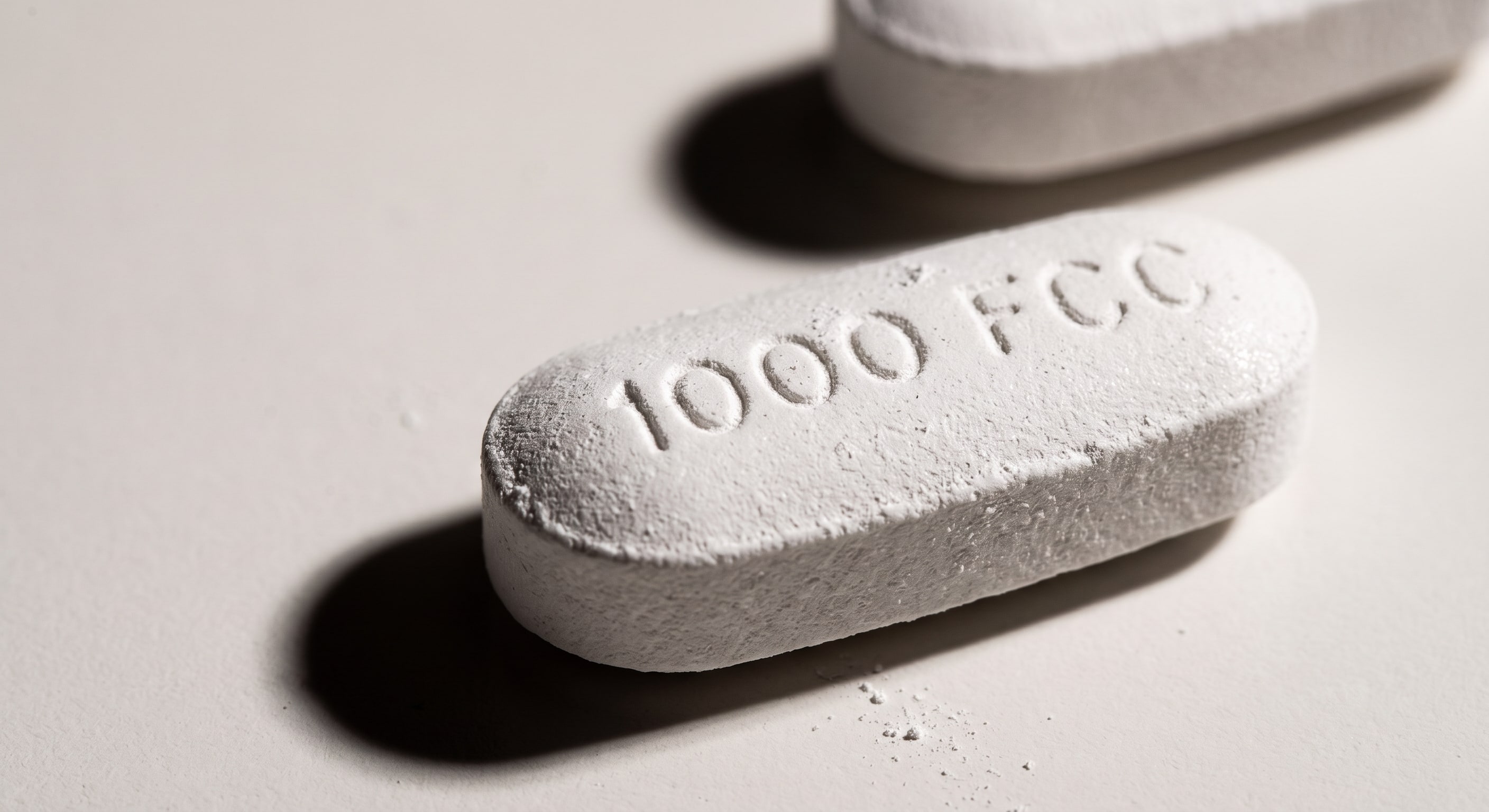
Are Your Lactase Capsules Really Effective?
Do you suffer from lactose intolerance and feel like your lactase capsules don't always work? Or do you find your supplement budget getting out of control? Between underdosing, degradation by stomach acid, and price variations ranging from one to ten times, here is the complete guide to choosing and using your lactase supplements correctly.
Milk Protein on the Label: Pure Protein or Hidden Lactose?
When a product lists "milk protein" in its ingredients, many lactose-intolerant people assume it's safe. The reality is more nuanced, and understanding it can save you a lot of discomfort.

Why 0g of Sugars Doesn't Mean "Lactose-Free": What I Learned at France's Biggest Cheese Trade Show
At the Salon Fromage et Produits Laitiers, I asked producers the question millions of lactose-intolerant people have: why isn't a cheese with 0g of sugars labeled "lactose-free"? The answer sits at the intersection of measurement uncertainty, legal risk, and a fragmented European regulatory landscape.
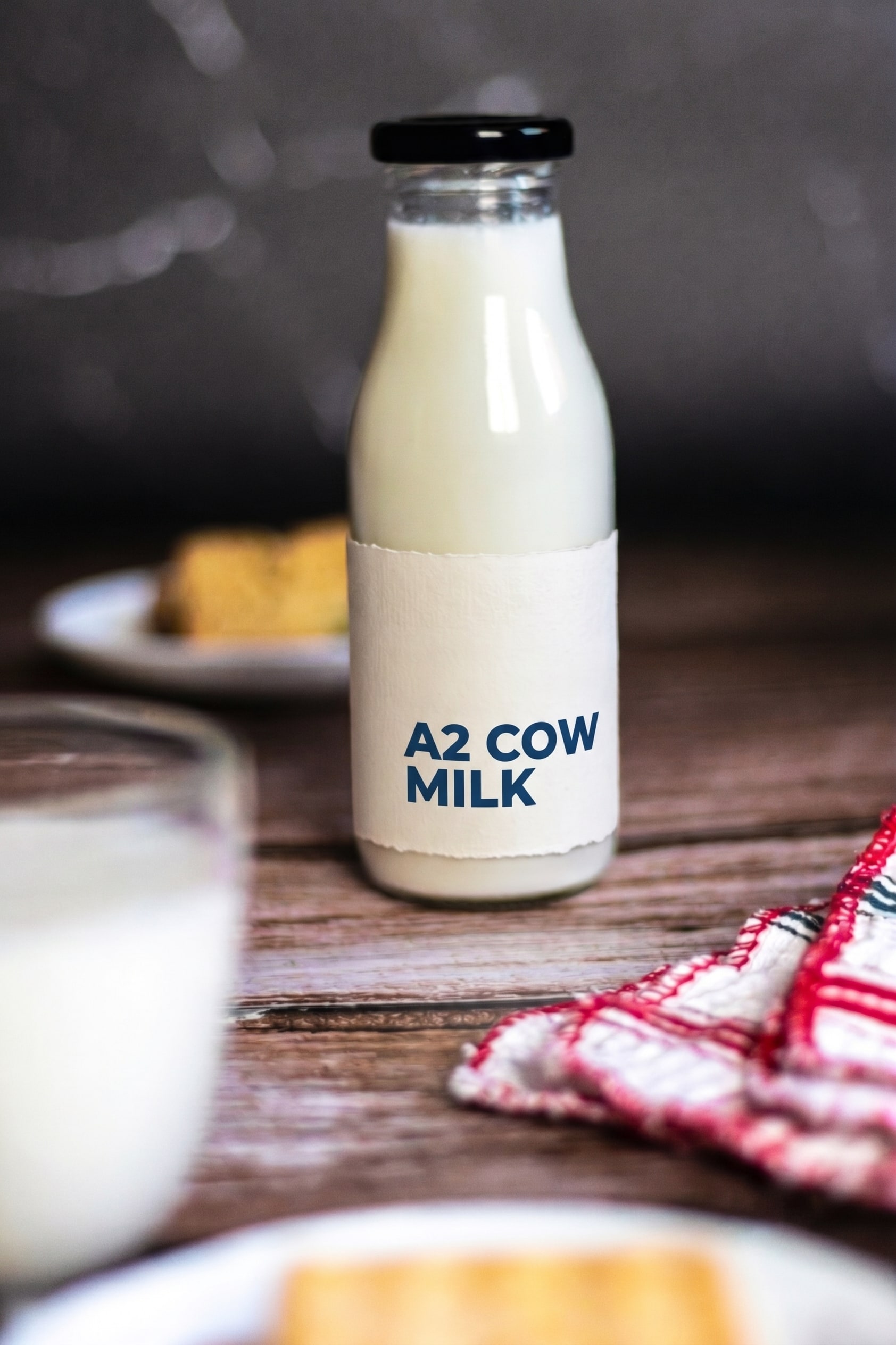
A2 Milk and Lactose Intolerance: What Science Actually Says (and What the Marketing Leaves Out)
A2 milk is marketed as a solution for the lactose-intolerant, yet it contains just as much lactose as regular milk. So why do some people digest it better? Here's what the studies, mechanisms, and limitations actually tell us.

Hiking the Tour du Mont Blanc Trail with Lactose Intolerance: Planning, Products and Pitfalls
The Tour du Mont Blanc is a dream trek, but for anyone with lactose intolerance (or other dietary restrictions), autonomy in remote mountain areas demands serious preparation. Here is how I am preparing for my mid-June TMB, from freeze-dried meals and energy bars to lactase tablets and an app that reads ingredient labels in any language. A follow-up article after the trek will cover what actually worked.
Newsletter #1: Lactose Help
For World Milk Day, lactose.help launches its monthly newsletter and is giving away a free month of subscription. Inside: events, tips, and the latest from the project.

They're talking about us: Lactose.help in the media
Articles, radio interviews and features: here is everything the press and media have said about Lactose.help, all built around one constant message, lactose intolerance does not mean deprivation.
Why Paying for Lactose.help Is Smart
A user recently complained: "3 lousy scans and then you have to pay." Fair reaction. But the real value of Lactose.help is not the scans, it is the certainty that what you put in your basket will not make you sick. Here is what sits behind the price tag.

The Story of Lactose.help: How a Belgian Engineer and an AI Studio Built an Ecosystem for the 70% Who Live with Lactose Intolerance
Lactose.help was born from the meeting of two complementary expertises: Gauthier de Valensart's decade of personal research into lactose intolerance, and Olivier Dubois's AI-driven methodology for turning ideas into working products in weeks. This is the story of how a single day of prototyping turned two long-held projects into a complete ecosystem: an app, a book, and educational content for the millions of people who live with lactose intolerance.

Why LLMs Get Lactose Wrong, and Why the Maximum Dose Is the Only Actionable Answer
You may have asked ChatGPT or another AI assistant which app to use to find the exact lactose content of a product. The answer is usually long, well structured, and wrong in its premises. This article explains why, with real data, and why the maximum dose approach taken by Lactose.help is in fact the best possible answer.

Lactose-Free Chocolate: What You Really Need to Know Before You Bite
For anyone with lactose intolerance, chocolate is a minefield. Most people assume dark chocolate is automatically dairy-free, but that is wrong in a surprising number of cases. This article walks through the regulation, the ingredients, the quality criteria, and offers concrete recommendations for Belgium.
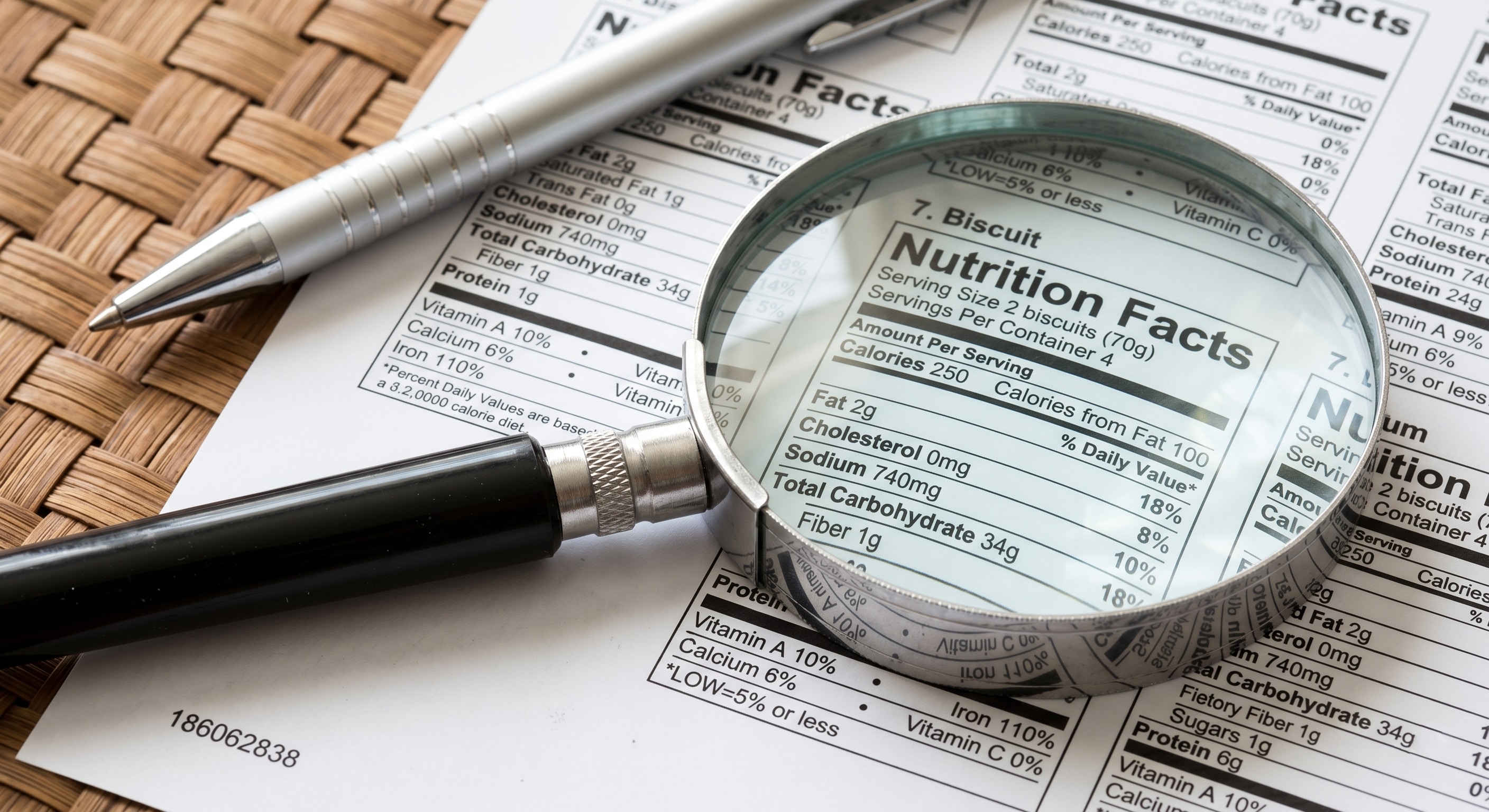
What you may not know about the products you buy every week: lactose-free yesterday, containing lactose today… for the same product?
Manufacturers reformulate their products constantly, and they don't always tell you. Here is why your carefully built list of "safe products" may already be out of date, and why managing lactose intolerance is an ongoing exercise in vigilance, not a one-time setup.

Where to Find Lactose-Free Cream
Lactose-free cream is easier to find than you might think across France, Belgium, and Switzerland: here are the references available at Naturalia, Carrefour, Leclerc, Auchan, Migros, Coop, and others, along with a simple method to make your own at home using lactase.
Lactose
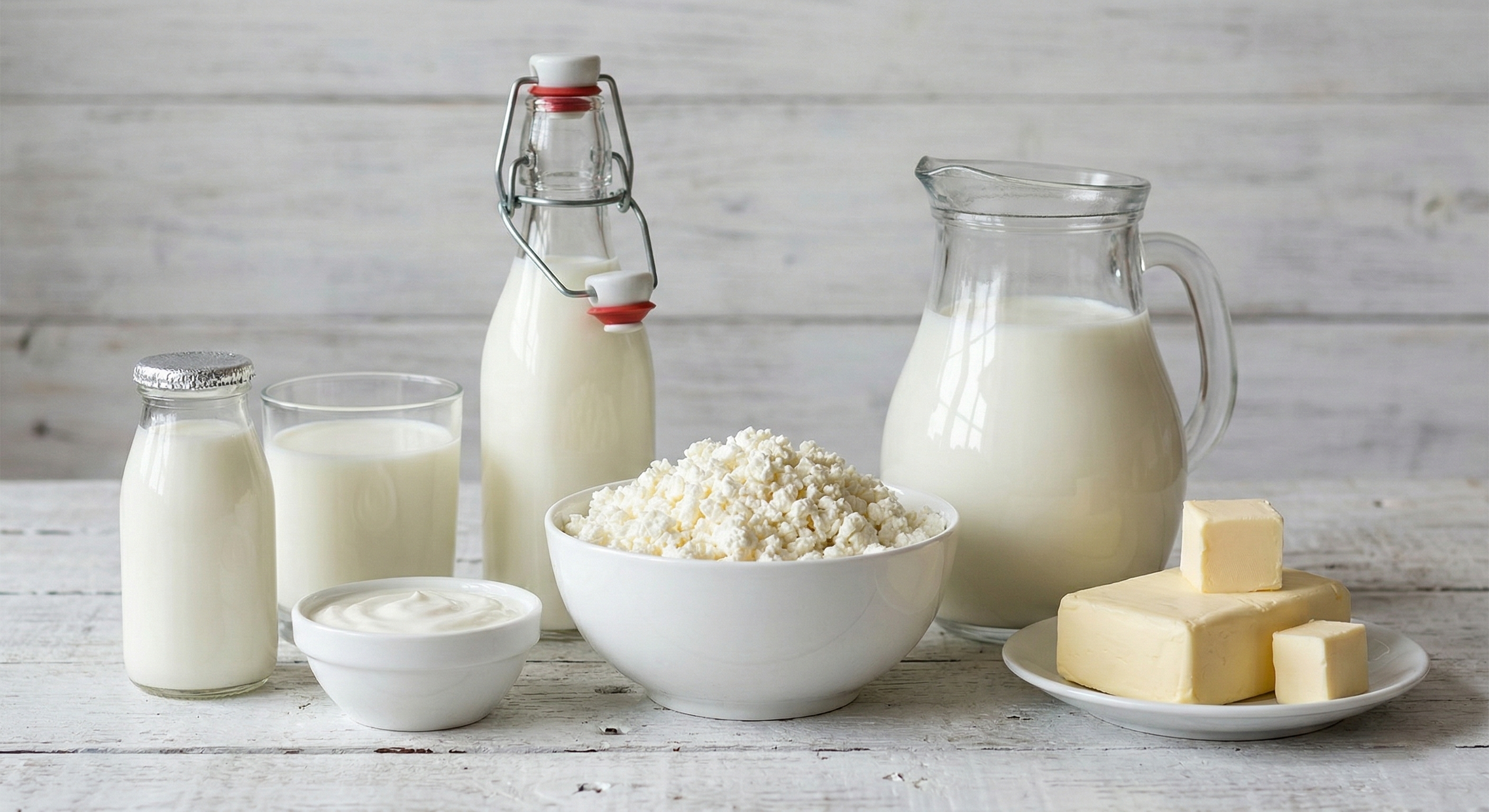
Lactose intolerance affects around 70% of the global population, caused by a natural decline in lactase enzyme production after weaning. When lactose isn't broken down, gut bacteria ferment it in the colon, triggering bloating, cramps, diarrhoea, and nausea. The good news is that most intolerant individuals can tolerate 6 to 12 g of lactose daily when spread across meals, meaning many foods, including aged cheeses, remain accessible. Tools like the lactose.help app, lactase supplements, and a comprehensive practical guide make managing the condition significantly easier and more precise.
Lactose Intolerance: Symptoms, Variability, and Practical Solutions
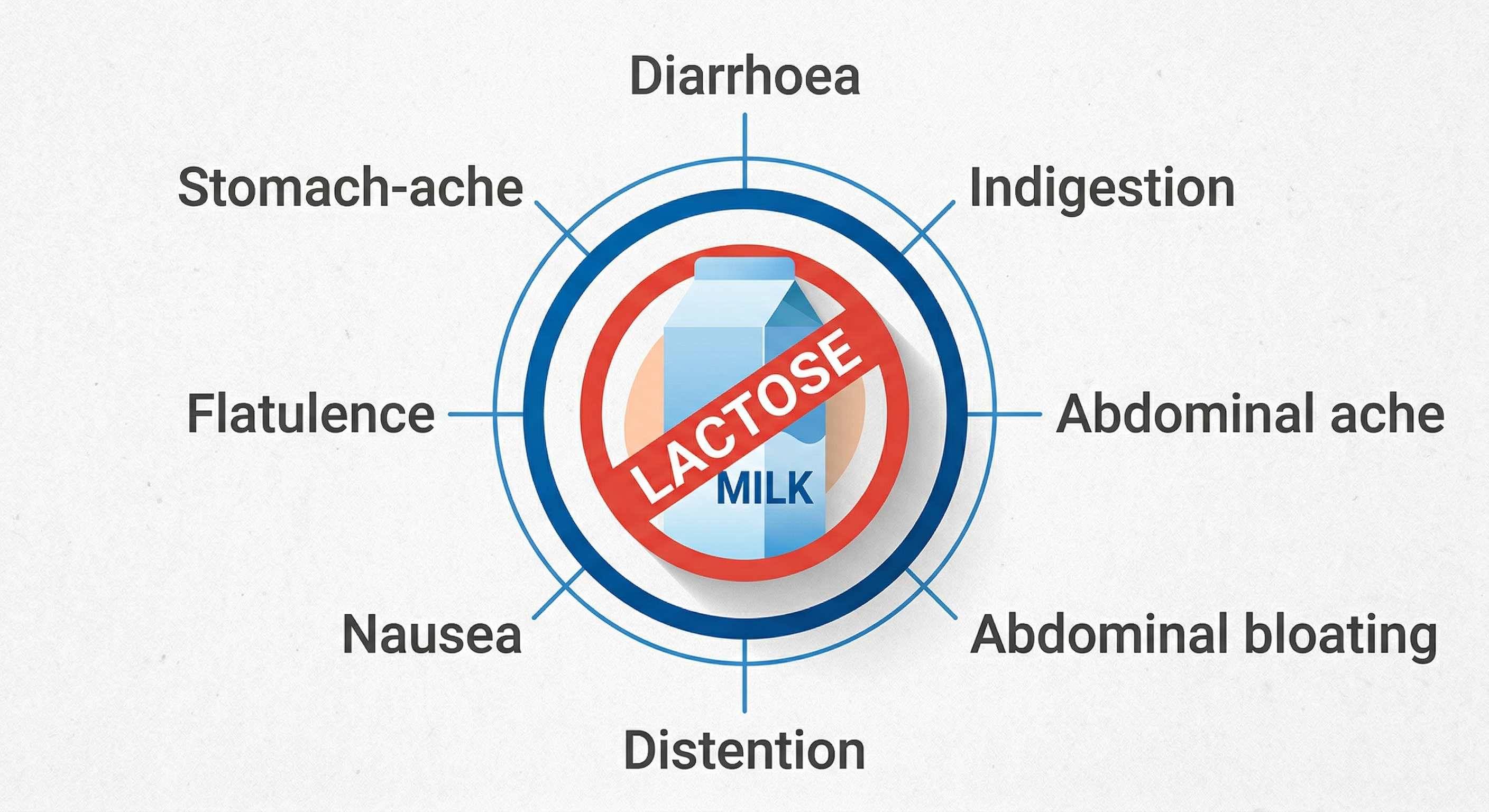
Lactose intolerance occurs when the body fails to properly digest lactose, the natural sugar in milk, leading to uncomfortable digestive symptoms. The condition varies greatly between individuals : some tolerate small amounts while others react severely. Common symptoms include abdominal cramps, bloating, flatulence, and diarrhea, typically appearing 30 minutes to 2 hours after consumption. However, diagnosis can be tricky as symptoms often overlap with other conditions, and not everyone who malabsorbs lactose experiences symptoms. Medical consultation is essential for proper diagnosis and management.

Lactose Intolerance Test
Online questionnaires claiming to diagnose lactose intolerance are unreliable and scientifically insufficient. Research shows that self-reported symptoms often don't match objective medical test results, with studies demonstrating only 47% sensitivity for homemade questionnaires. Accurate diagnosis requires validated medical tests like hydrogen breath testing or genetic testing, performed under clinical supervision. While at-home medical kits exist, they are regulated laboratory devices, not simple web quizzes. For proper diagnosis, consult a healthcare professional for evidence-based testing rather than relying on unreliable online tools.

Relieving Lactose Intolerance Symptoms After a Slip-Up or Mistake ;)
After giving in to ice cream or tiramisu, your stomach painfully reminds you. This article explains how to minimize the damage caused by lactose with immediate measures: fractional hydration, minimalist diet, local heat, and symptomatic medications. It also presents long-term solutions for better living with lactose intolerance, including a practical guide validated by certified dietitians and a barcode scanning app to detect hidden lactose.
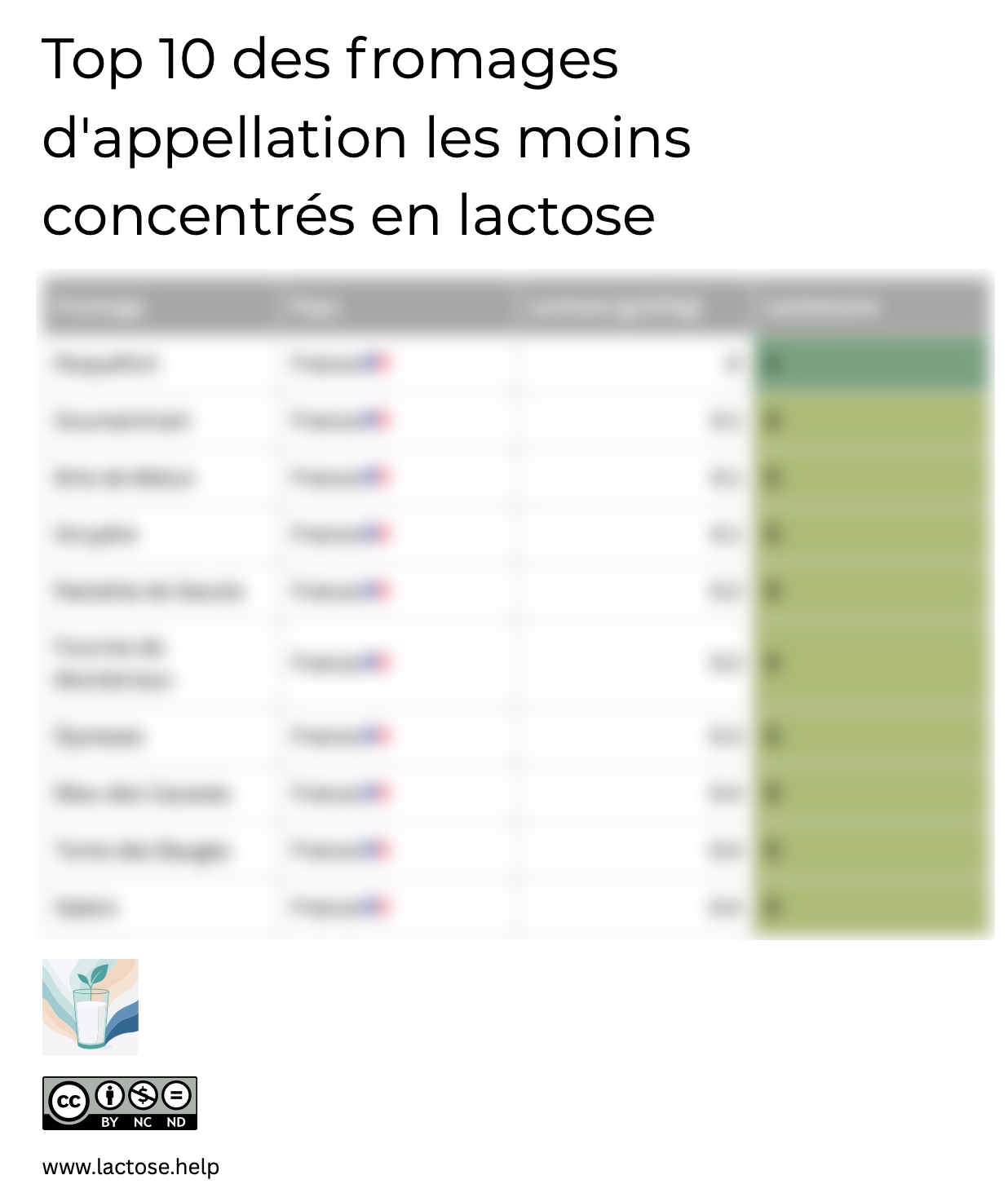
List of Dairy Products by Increasing Lactose Concentration
A new practical guide, 'Living Better with Lactose Intolerance,' reveals that 76% of the 133 AOC, AOP, and PGI-designated cheeses in the European Union contain 0.5g of lactose or less per 100g, making them compatible with lactose intolerance. In contrast, most other dairy products such as milk, cream, and yogurt remain too high in lactose for the majority of intolerant individuals. According to an EFSA study, lactose-intolerant people can typically tolerate between 6 and 12g per day spread across three meals, with 1g per meal being safe for all forms of intolerance. The companion app lactose.help goes even further by analyzing lactose content at the individual product level rather than by designation alone, offering greater precision for those managing their diet.
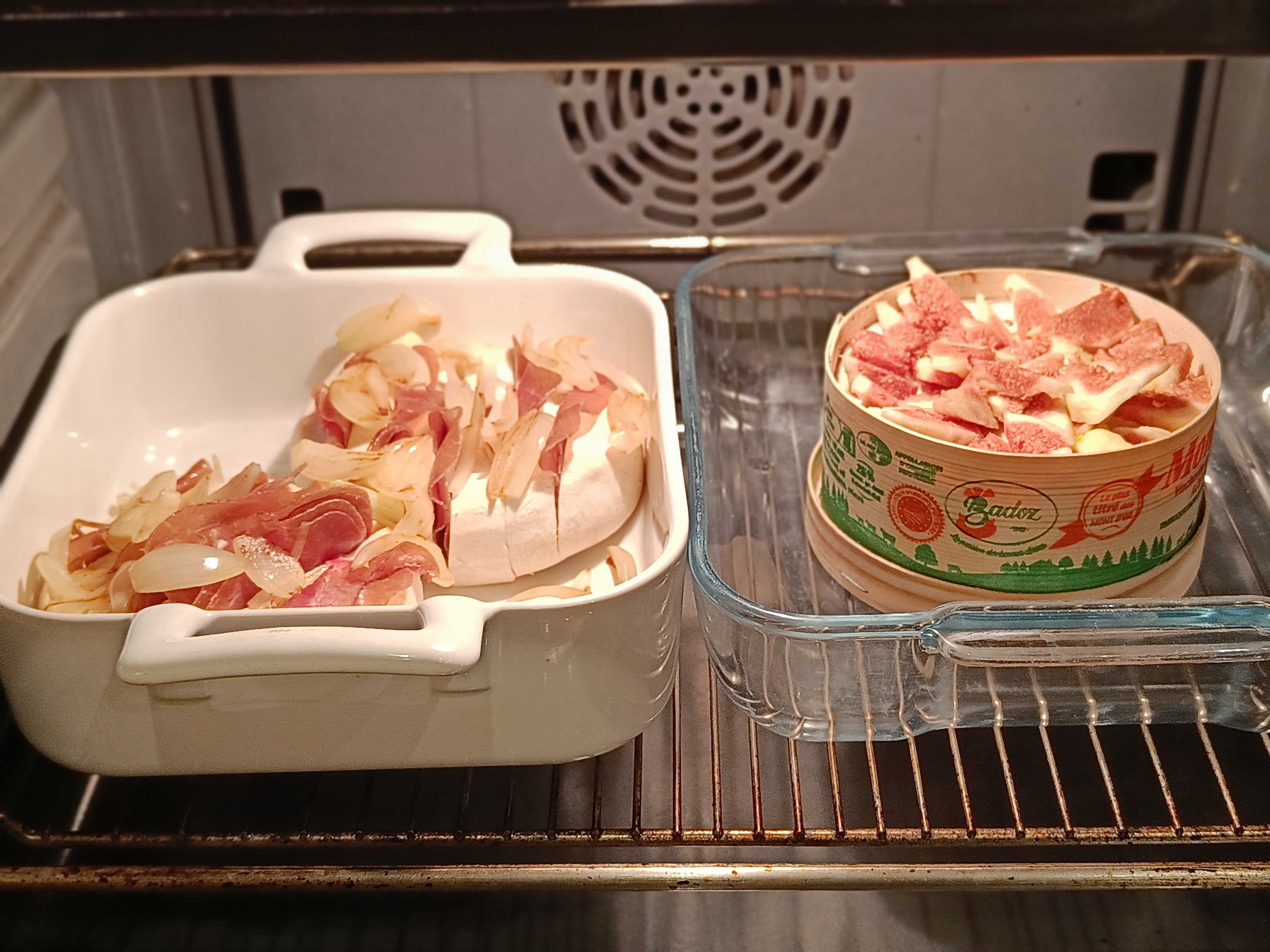
Raclette, Fondue, Tartiflette, Mont d'Or : The Lactose-Intolerant's Winter Guide
Winter comfort foods like raclette, fondue, tartiflette, and Mont d'Or are not off-limits for lactose-intolerant people : it's all about choosing the right cheeses. Aged cheeses such as Raclette du Valais AOP, Gruyère AOP, Vacherin Fribourgeois AOP, and Reblochon naturally contain very little lactose thanks to their extended aging process. According to EFSA, most lactose-intolerant individuals can tolerate between 6 and 12g of lactose per day, and the cheeses featured here contain at most 0.5g per 100g. The Lacto-Score, a five-level scale inspired by the Nutri-Score, helps consumers instantly identify whether a product is safe for them. With the right knowledge and tools, generous 200g portions of these beloved dishes are entirely achievable, no lactase supplement required.
Lactose free milk
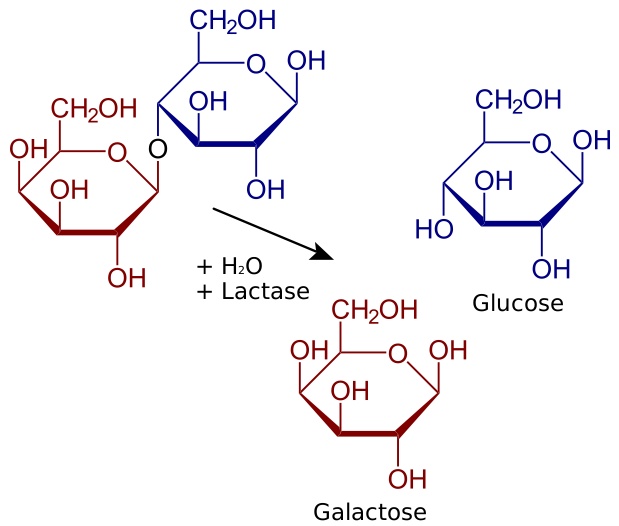
Lactose-free milk is simply regular milk treated with lactase, an enzyme that breaks down lactose into glucose and galactose. This process explains why it tastes sweeter, not because of added sugar, but because these simpler sugars have a higher sweetening power. Importantly, the glycaemic index remains comparable to regular milk. Making lactose-free milk at home is surprisingly easy: just add a few drops of liquid lactase to any milk of your choice and refrigerate for 24 hours. For those seeking to better understand and manage lactose intolerance, a comprehensive practical guide is also available.
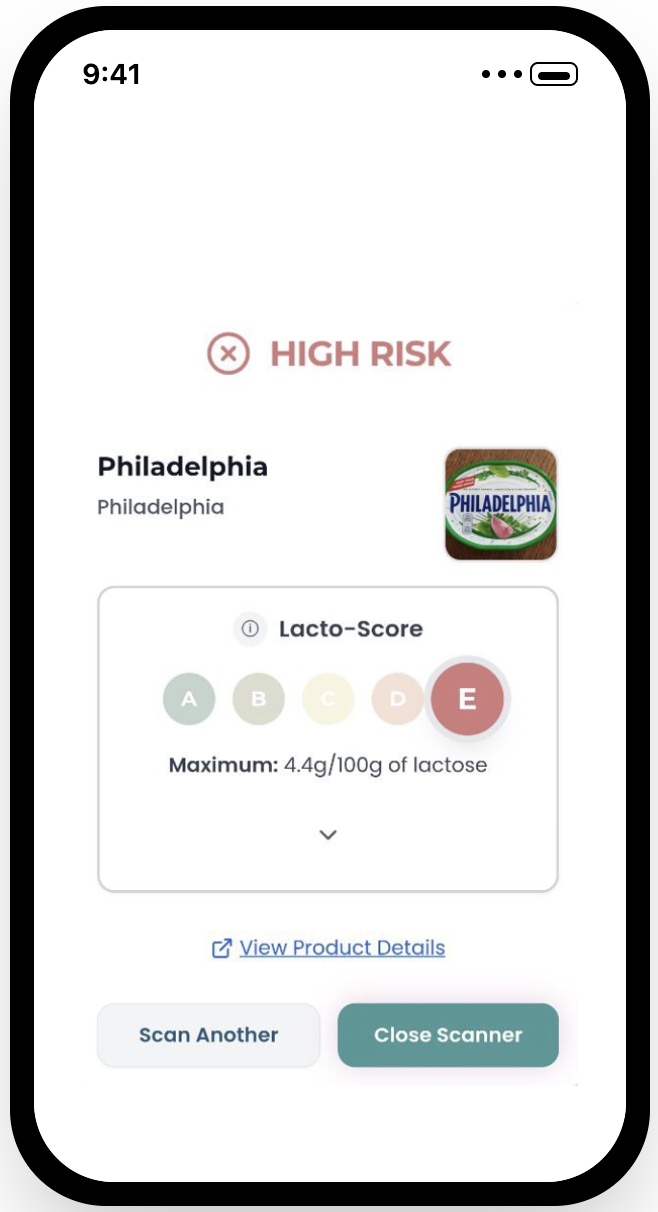
Lactose intolerant ? Scan Any Product, Know Instantly If It's Safe
Lactose.help is a mobile app designed to help lactose-intolerant people easily identify safe products while shopping. By simply scanning a barcode or photographing a label, the app analyses ingredient lists and nutritional data to estimate lactose content within seconds. It uses a clear five-level Lacto-Score system (A to E) inspired by the Nutri-Score, making results immediately understandable at a glance. The app combines barcode recognition, food databases, and AI-powered image analysis to cover even products not yet listed in its database. It is intended for lactose-intolerant individuals and is not a substitute for medical advice or suitable for those with a milk protein allergy.
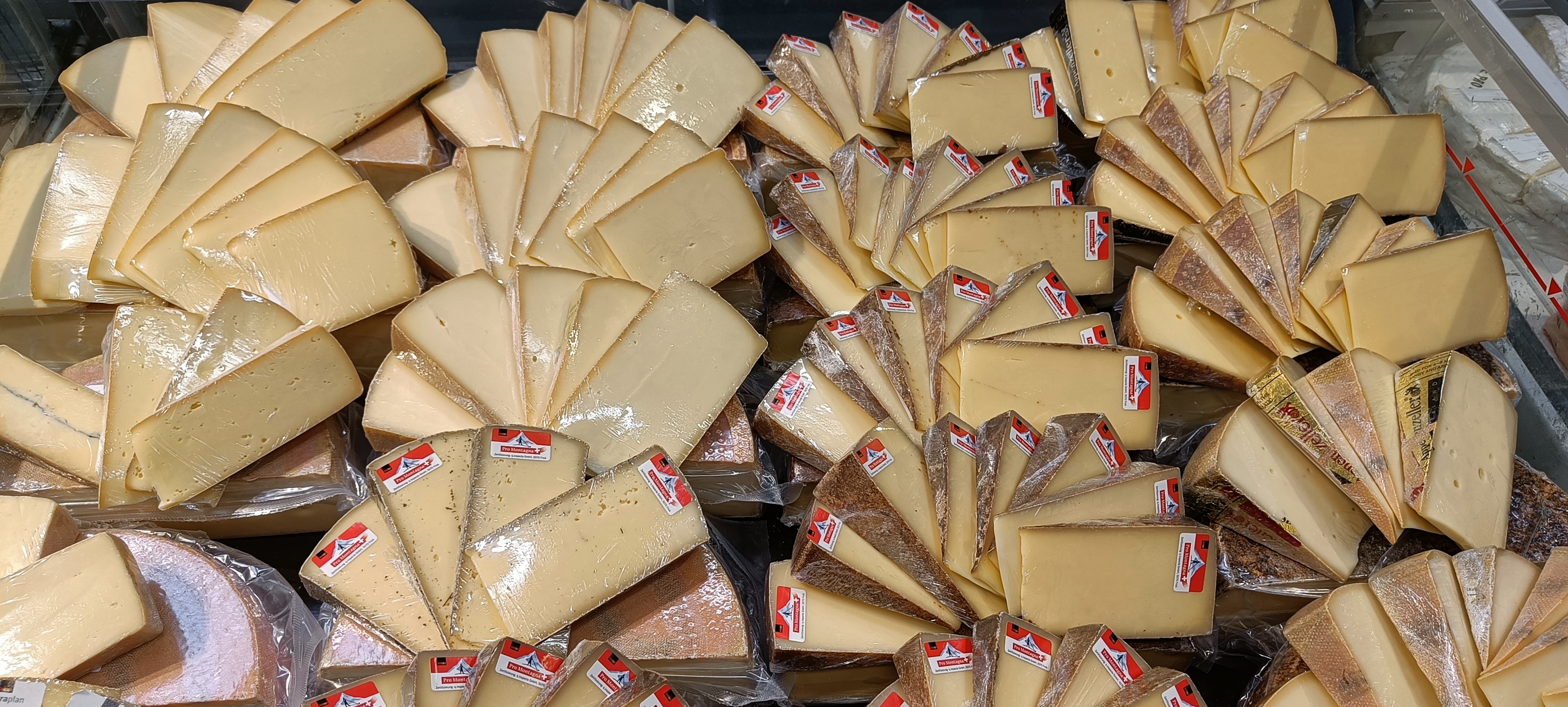
Lactose free cheese
Many traditional and protected designation of origin (PDO) cheeses are naturally compatible with lactose intolerance, even without a 'lactose-free' label. Because lactose appears directly in the nutrition table under sugars, consumers can easily assess their exposure. Research shows that 76% of EU PDO cheeses contain 0.5g or less of lactose per 100g, well within the 1g per meal threshold tolerated by virtually all lactose-intolerant individuals. Tools like the Lacto-Score app and the book 'Living Better with Lactose Intolerance' help consumers make informed, confident dairy choices without paying a premium for specialty products.
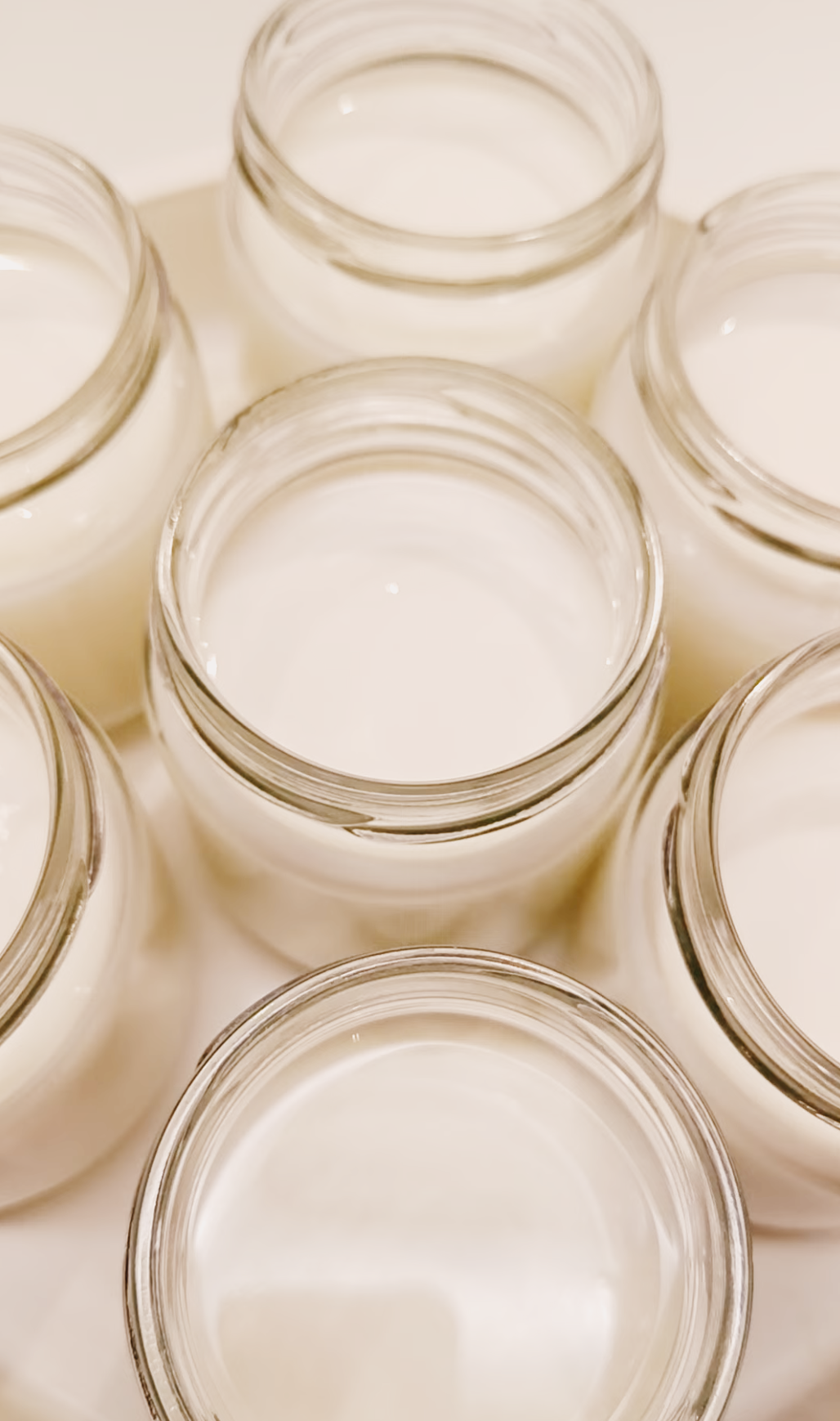
Homemade Lactose-Free Yogurt: The Ultra Simple 5-Minute Recipe
Learn how to make homemade lactose-free yogurt with just two ingredients: UHT lactose-free milk and a spoonful of plain yogurt. 5 minutes of prep, 8 to 15 hours of fermentation in a yogurt maker, and you get creamy, affordable yogurt that tastes far better than store-bought. All our tips on choosing your milk, starter cultures and fermentation time.
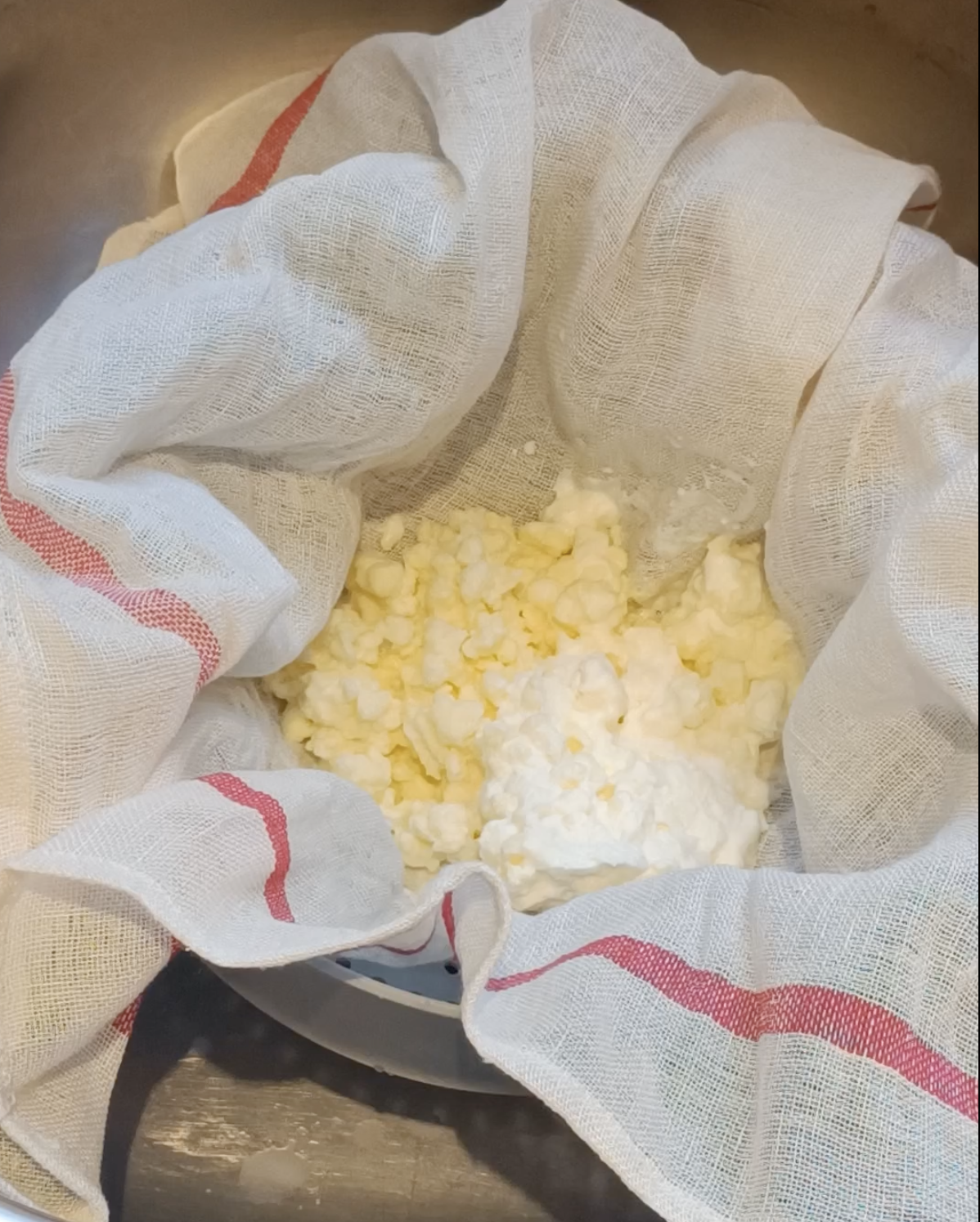
Homemade Lactose-Free Butter: The Express Recipe in Just 15 Minutes
Lactose intolerant but still in love with good butter? Great news: it's entirely possible to make delicious butter at home, lactose-free, in barely fifteen minutes and with only two ingredients. Lactose-free cream, a pinch of salt, a stand mixer… and you're done. Discover a simple method, accessible to everyone, that will let you rediscover the pleasure of real butter on your toast, without any digestive discomfort.

lactose.help on BX1: when lactose intolerance takes the spotlight on "Il y a du Neuf"
lactose.help was featured on BX1's "Il y a du Neuf" to deliver a clear message: lactose intolerance doesn't mean giving up dairy. Through our book and app, we're making daily life easier for those who need to adapt how they consume dairy products.

European Dairy Tour - Stage 10: Brussels (Belgium) 🇧🇪
Brussels, Belgium: back home to conclude this European dairy tour! Belgium is well served with lactose-free products (Dilea, Ballade, store brands) for milk, cream and butter. However, Dilea lactose-free cheeses are unnecessary: traditional Belgian cheeses (Chimay, Passendale, Maredsous, Oud Brugge, Père Joseph...) are naturally rated A or B. Choose artisanal, it's better, cheaper and compatible with an intolerance!

European Dairy Tour - Global Summary 🇪🇺
European Dairy Tour: summary of 5,500 km by train across 9 countries in 12 days! Great news for the lactose intolerant: the majority of European artisanal cheeses are naturally low in lactose (rated A or B). The exceptions to avoid: ricotta, sérac, mascarpone, burrata, processed cheeses and fresh cheeses. Lactose-free products available everywhere except France and England. Find the complete list of cheeses by country and classification to travel with peace of mind.

European Dairy Tour - Stage 9: London (United Kingdom) 🇬🇧
London, United Kingdom: good news for the lactose intolerant, most British cheeses are rated A or B! As for lactose-free products, the choice remains limited, just like in France.

European Dairy Tour - Stage 8: Paris (France) 🇫🇷
Paris, France: a stage dedicated to cheese shops, the preferred place for advice for lactose-intolerant people. The concept of a cheese shop is very French, and Paris is full of them. Cheesemongers know the subject but are sometimes too restrictive. Favour artisanal products (milk, rennet, ferments, salt) and check the nutritional composition. A lactose-intolerant person can digest at least 1 g of lactose per meal, meaning 200 g of a cheese rated B.

European Dairy Tour - Stage 7: Barcelona (Spain) 🇪🇸
Barcelona, Spain: an easy stop for lactose-intolerant travellers with a wide range of lactose-free products in supermarkets (milk, cream, butter, whipped cream, yoghurt). For cheeses, go for "viejo", "añejo" or "curado" (aged, rated A or B) and avoid "fresco" (fresh, rated D or E). Warning: goat's or sheep's milk doesn't guarantee a low-lactose cheese, it all depends on the ageing process!

European Dairy Tour - Stop 6: Avignon 🇫🇷
Avignon, France: a surprising stop due to the lack of lactose-free products in supermarkets, despite 15% of French people being lactose intolerant and symptomatic. Only Naturalia offers the essentials (milk, butter, cream), but good news: 76% of French PDO/PGI cheeses are rated A or B, meaning they're compatible with lactose intolerance. Roquefort, Camembert de Normandie, Cantal, Mont d'Or... France's cheese heritage remains accessible to those who know how to choose wisely.

European Dairy Tour - Stop 5: Collombey 🇨🇭
Discover Switzerland through the eyes of a lactose-intolerant traveller: an immersive visit to a Valais dairy farm producing award-winning Raclette AOP, plus a comprehensive guide to Swiss cheeses that are naturally low in lactose. From train adventures to ski touring and fondue dinners, learn why Switzerland is paradise for cheese lovers with lactose intolerance.

European Dairy Tour - Stop 4: Florence 🇮🇹
Florence, Italy: a rich discovery for lactose-intolerant travellers. Impressive "senza lattosio" sections at Lidl, Esselunga, and Conad, but beware: unlike alpine countries, Italy offers cheeses ranging from A to E, so vigilance is key. Parmigiano, Grana Padano, Pecorino Romano, and Provolone are safe (A), mozzarella di bufala is B, but avoid ricotta, stracchino, and fiocchi di latte (E).
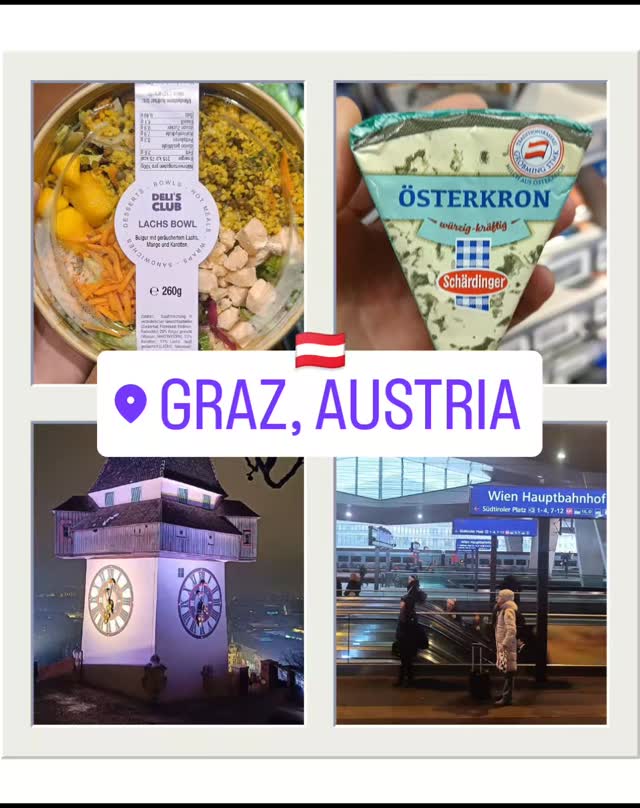
European Dairy Tour - Stop 3: Graz 🇦🇹
Travelling to Austria with lactose intolerance? Discover local cheeses, lactose-free ranges at Spar and Billa, and practical tips for eating safely when lactose intolerant.

European Dairy Tour - Stop 2: Prague 🇨🇿
A lactose-intolerant traveler explores Prague's dairy scene, finding it more challenging than Munich due to fewer allergen menus and untrained restaurant staff. However, Czech supermarkets reveal a treasure trove of Central European dairy products. The key discovery: unlike Western Europe where products tend to be either very safe or completely off-limits, Central European dairy often falls into intermediate risk categories, requiring more careful scanning but offering more variety for the adventurous lactose-intolerant traveler.

European Dairy Tour - Stop 1: Munich 🇩🇪
During the European dairy tour, I first stop in Munich. The dairy product offerings for those with lactose intolerance reveal a favorable situation: many cheeses rated A (Gruyère, Emmentaler, Gouda), lactose-free ranges (MinusL, LAC), a wide vegan selection, and excellent allergen labeling in Rewe and Edeka supermarkets, making the trip comfortable for this community.
Frequently asked questions about lactose
Why can I eat cheese, yogurt or butter, but not drink milk?
Because everything depends on how much lactose remains in the finished product, not on its name or designation.
Lactose is a water-soluble sugar. When cheese is made, most of it leaves with the whey that separates from the curd. The more the curd is drained, the less lactose remains. And if the cheese is then aged, bacteria gradually consume the residual lactose. As a result, most aged cheeses contain very little. Concretely, 76% of the European protected-designation cheeses analysed (PDO, PGI) show 0.5 g of lactose or less per 100 g — that's 200 g before reaching 1 g of lactose, the dose well tolerated by almost all intolerant people.
Butter contains fairly little, since it is essentially fat. Yogurt contains less than milk, but still too much for most intolerant people. And milk remains the most concentrated source, hence the problem.
An important point: even within a single designation, the concentration varies from one producer to another. That's why the lactose.help app doesn't reason at the level of the designation, which isn't actionable, but at the level of the specific product. It relies on the factual information on the label — the ingredient list and nutritional composition — as required by the European INCO regulation (Regulation (EU) No 1169/2011), values that producers establish through laboratory analysis.
Learn more : Lactose free cheese
How do I know if I am really lactose intolerant?
Feelings alone are not enough, and sorting out the different possible causes is complicated. The symptoms overlap widely: bloating, gas, cramps or diarrhoea are also found in reflux, irritable bowel syndrome or milk protein allergy, which is a condition entirely distinct from intolerance.
An important point: being intolerant isn't just about digesting lactose poorly. You have to both malabsorb it AND experience the symptoms. Many people malabsorb it without the slightest discomfort.
Confirmation comes from a medical test, mainly the hydrogen breath test: it must come back positive, a sign of malabsorption, and be accompanied by the symptoms. In any case, consult a healthcare professional to rule out another cause before cutting out dairy products unnecessarily.
Learn more : Lactose Intolerance Test
Which test should I take to confirm the diagnosis?
The non-invasive reference remains the hydrogen breath test: undigested lactose ferments in the colon and produces hydrogen that is measured in the breath. The genetic test for lactase persistence is very specific but indicates a predisposition, not the intensity of the symptoms. The blood glucose tolerance test also exists. To avoid: the so-called "food intolerance" IgG tests, which are not validated for this diagnosis. Online quizzes are worthless on their own and may push you to eliminate dairy products unnecessarily.
Learn more : Lactose Intolerance Test
Which foods contain hidden lactose?
Lactose isn't limited to milk and yogurts. It is found in many processed products: sauces, breadings, some pastries, breakfast cereals, cured meats such as salami, and sometimes medicines, where lactose often serves as an excipient.
The terms to spot in the ingredient list: milk, milk powder, lactose, whey (also called milk serum), milk proteins, casein, caseinate.
Be careful: "milk proteins" does not mean "lactose-free". Depending on the manufacturing process, residual lactose may remain, sometimes in a significant amount. The right reflex is to consider any dairy derivative as potentially carrying lactose, rather than trusting the ingredient's name.
In any case, reading the ingredient list is far more reliable than judging by the product's appearance, and the Lactose.help app's scan automates that reading in a few seconds.
Learn more : Milk Protein on the Label: Pure Protein or Hidden Lactose?
What is the difference between lactose intolerance and cow's milk protein allergy?
They are two distinct problems.
Lactose intolerance is a difficulty digesting a sugar, lactose, due to the absence or too limited production of lactase, the enzyme that breaks lactose down into glucose and galactose, two sugars we all digest without any trouble. It causes digestive symptoms: bloating, gas, cramps, diarrhoea.
Milk protein allergy is something else entirely: a reaction of the immune system, which can lead to hives, oedema or respiratory signs, and which often occurs quickly after ingestion. This is a central distinction, particularly in children.
Practical consequence: a "lactose-free" product may very well contain milk proteins. It is therefore not suitable in case of allergy, even if it is fine for intolerance. If you suspect an allergy, consult a doctor.
Learn more : Lactose Intolerance: Symptoms, Variability, and Practical Solutions
Should I cut out all lactose, or just reduce it until I find my threshold?
A completely lactose-free diet isn't necessary for most people, and it even has a drawback: it needlessly deprives you of calcium and complicates daily life.
A study by the EFSA (European Food Safety Authority) shows that intolerant people generally tolerate between 6 and 12 g of lactose per day, provided it is spread over several meals. The most sensitive react from as little as 3 g, but a dose of 1 g per meal is fine for just about everyone.
The right approach is therefore not to cut everything out, but to find your personal threshold: a short reduction phase to calm the symptoms, then a gradual reintroduction of increasing amounts to identify your limit. This is exactly the principle of the "lactose challenge" detailed in the book. Keep in mind: this threshold isn't fixed, it can drop during periods of fatigue or stress.
Once you know your threshold, the practical reflex is to reason about the maximum dose of lactose a product can contain, not about a supposed value. If even that worst case stays below your threshold, the product is safe for sure. That's precisely what the Lactose.help app's scan calculates.
Learn more : Lactose
How many lactase tablets should I take, and when?
There is no universal dose. Lactase's effectiveness is real but modest and variable: it depends on the amount of lactose in the meal, on your sensitivity, and above all on timing. The key point many forget: the enzyme must be present when the lactose reaches the small intestine. Taken three hours later, it is almost useless. So you take it just before eating, and repeat the dose during a meal that drags on. The dose, measured in FCC units, is adjusted to the amount of lactose expected. Finally, not all brands are equal: the source of the enzyme, its resistance to stomach acidity and its coating make the real effectiveness vary, and the stated content doesn't always reflect the digestive result. In short, lactase is a useful supplement, not a guarantee: knowing the lactose content of foods remains essential.
Learn more : Relieving Lactose Intolerance Symptoms After a Slip-Up or Mistake ;)
Do lactase tablets really work?
Yes, they often improve lactose digestion, but their effect is modest and variable, not a guarantee for every meal. Commercial preparations generally hydrolyse 70 to 90% of the lactose in a dairy product: enough to help you stay below your tolerance threshold, not to eat without limits.
If lactase "never works" for you, it's often because it is underdosed relative to the meal, taken at the wrong time (it must be present when the lactose reaches the intestine, so take it just before eating), or because your symptoms don't come only from lactose. Also worth knowing: not all brands are equal, depending on the source of the enzyme and its resistance to stomach acidity.
An often more effective alternative: consume products already treated with lactase, such as lactose-free milk, because the enzyme has had time to act before ingestion. Worth testing depending on your situation.
Learn more : Hiking the Tour du Mont Blanc Trail with Lactose Intolerance: Planning, Products and Pitfalls
Can I become lactose intolerant as an adult, all of a sudden?
Yes, even if it is rarely "all of a sudden" in the biological sense. After weaning, lactase production naturally declines in the majority of humans: the enzyme persisting into adulthood is the exception, not the rule. About 70% of the world's population ends up poorly absorbing lactose, but poorly absorbing it isn't being intolerant: only about a third of the people concerned actually develop symptoms. The feeling of suddenness comes from crossing a threshold: the decline is gradual, but symptoms only appear the day the remaining lactase is no longer enough for the amount of lactose consumed, often between 30 and 40 years of age.
Intolerance can also be secondary, triggered by damage to the small intestine: gastroenteritis, coeliac disease, an inflammatory disease such as Crohn's disease, surgery. In that case, the trigger is identifiable. A prolonged stop of dairy products can also cause the microbiota to lose its adaptation and lower the threshold when you resume. When in doubt, a medical assessment is better than a total elimination of dairy products from the outset.
Learn more : Lactose
What are the typical symptoms, and how long do they take to appear?
The typical symptoms are digestive: bloating, gas, gurgling, abdominal cramps, diarrhoea or loose stools, sometimes nausea. They generally appear between 30 minutes and 2 hours after ingestion, the time it takes for the undigested lactose to reach the colon and be fermented by the bacteria. Their intensity varies according to the dose ingested, your intestinal flora and your personal threshold. Conversely, hives, oedema or respiratory discomfort point towards an allergy, not towards an intolerance.
Learn more : Lactose Intolerance: Symptoms, Variability, and Practical Solutions